How to Size Up Flysheet Quality for Your Camping Tent
Quick read for busy campers
Look, you don't need a PhD to spot a decent flysheet, but you do need to know what to compare. Think of two tents side by side: one looks crisp, light as a feather; the other feels thicker, heavier. Which one keeps you dry when the skies open? That's the question. If you're after something that also looks smart at a luxury pitch, the glam camping tent shows how design and material choice meet in the middle.
Material and coating: the first split
Start by comparing base fabrics and coatings. Polyester resists UV better; nylon is lighter and stronger for thin walls. Denier tells you fabric weight: lighter denier (around 20–40D) suits backpacking; heavier denier (70D and up) suits car camping or more permanent setups. Coatings matter more than most buyers realise. PU coatings are common and cheap but can fail after long sun exposure. Silicone coatings add tear strength and shed water better, though they raise cost. Match the coating to how you camp: quick weekend storms need lower spec; long stints in wet seasons demand higher-rated coatings.
Hydrostatic head and what it means for real nights out
Hydrostatic head is the simplest, useful measure: it shows how much water pressure the fabric handles before leaking. As a rule: around 1,500 mm blocks light showers, 2,000–3,000 mm is solid for regular rain, and 5,000 mm or more is serious protection for prolonged wet weather. Look at both the flysheet and the bathtub floor—both specs matter. Don’t assume a nice finish equals waterproof performance; check the numbers and compare like for like.
 Seams, zips and rain geometry
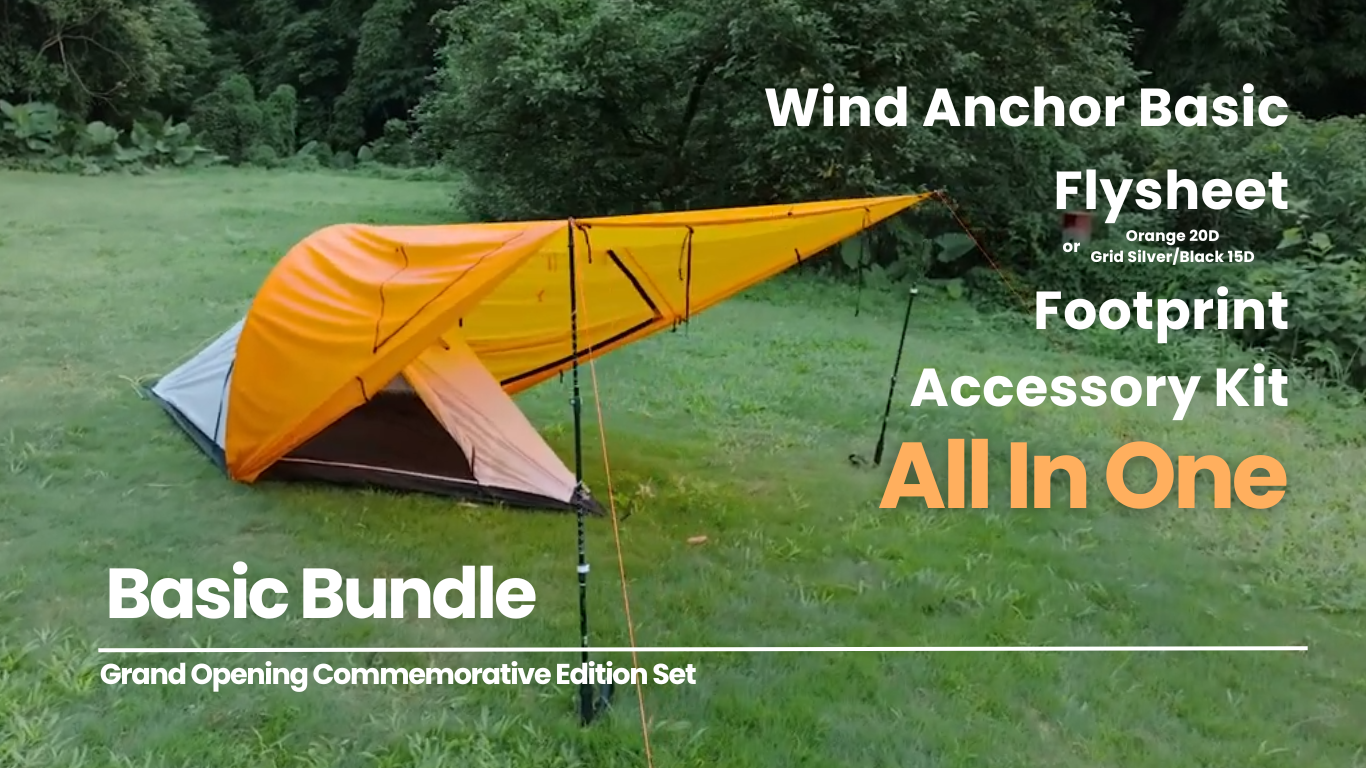
Taped seams versus untaped seams—it's a hard divide. Taped or factory-sealed seams stop capillary wicking. If seams are stitched but not taped, expect to seal them yourself before a wet trip. Check zipper quality: chunky, protected zips with storm flaps work on long-term camps. Watch how the fly extends over the vestibule—full-coverage flies that form a clear overhang keep rain from being forced under by wind. Small design choices like guttered entrances or angled seams save you from mornings of wet gear.
Condensation, vents and double-wall vs single-wall
Condensation eats sleep. Double-wall tents (inner + fly) give you an air gap and controllable vents; they breathe better in mixed conditions. Single-wall tents are lighter and quicker, but require coated fabrics with excellent breathability and taped seams to avoid damp problems. Compare vent placement and mesh areas. If you camp with cooking inside a vestibule or with many bodies, prioritize ventilation over an extra millimetre of waterproofing.
On durability: hands-on checks you can do
Put fabric in your hands. Scrunch it, bend it, rub at the coating with your thumb. Does the coating feel like it flakes? That’s an age problem waiting to happen. Look for ripstop patterns—small grid reinforcements slow tears. Test zips and poles; a weak pole connection will make the best flysheet pointless. From long seasons of pitching for events and fixing kit at a few provincial festivals, I’ve learned the hardest-wearing pieces are never the fanciest—they’re the ones with solid seams, decent denier and tried coatings.
Real-world anchor: what big setups do
When crews build sites around Kruger National Park they use thicker, fully taped fabrics and reinforced gutters so guests stay dry even during heavy storms—those specs matter when you scale up. For comparison, operators who run large glamping tents routinely choose higher denier cloth, silicone coatings or double-coat systems, and full seam taping because equipment failure there costs time and reputation.
Common mistakes to avoid at purchase
Don’t buy solely on weight or pretty pictures. Avoid assuming “waterproof” in marketing equals real-world performance. Don’t skip checking the underside of the fly or the seam tape quality. If you plan multi-season use, skip the light festival-only spec and favour stronger fabric and coatings. And if someone tells you a low hydrostatic number is fine for monsoon-like conditions, walk away.
Weighing trade-offs: pack weight versus protection
If you hike long distances, you accept thinner fabric and lighter coatings—plan to avoid rough, exposed campsites. If you're car-camping or running longer events, accept the extra kilos for thicker cloth, higher hydrostatic head and durable fittings. Compare two tents by scenario: ask, “Where will I camp most?” and pick the flysheet that covers that use-case rather than the nicest spec on paper.
Final synthesis
Compare fabrics, coatings, hydrostatic head, seam treatments, and ventilation with your typical trips in mind. Use hands-on checks and simple tests; trust a tent that balances durability and breathability for the conditions you face. For reliable kit that matches practical needs and finish, look at providers who show their specs clearly and build for real use—like the kind of considered kit you’d expect from THECATAL.
Keep reading
 Real Estate
Navigating Real Estate in a Shifting Housing Market: Practical Strategies for Buyers and Investors
 Other
Other
From Dust to Discipline: Practical Strategies for Building Sustainable Habits in Everyday Life
 Home
Home