Comparative Guide to Choosing a Red Light Therapy Manufacturer for Better Device Efficiency
Introduction: A quick scene, a few numbers, and the question we all face
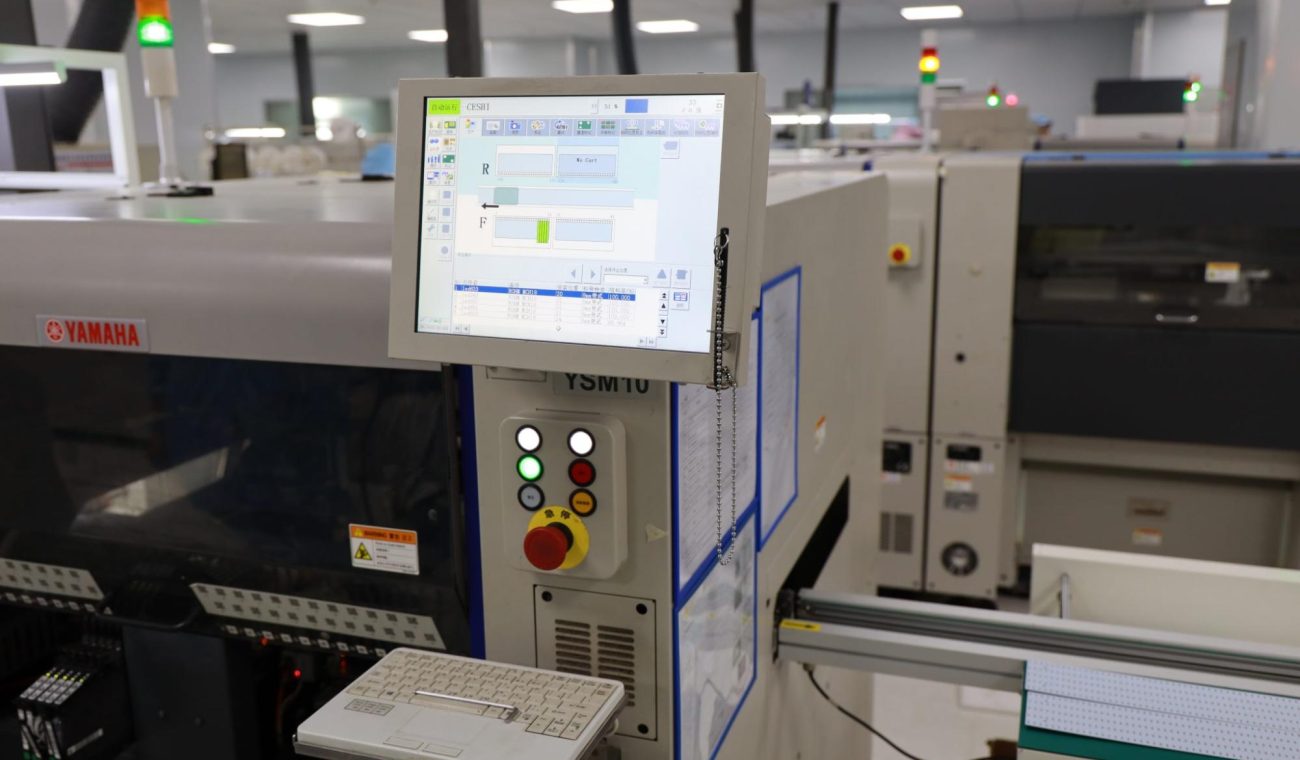
I was on a factory floor last year watching a dozen technicians tune LEDs while a product manager juggled lead times and user complaints — a familiar scene. As teams ask where losses happen, the role of a red light therapy manufacturer becomes front and center in every conversation. The market for home and clinic devices is growing fast (estimates show double-digit annual gains), yet many makers still struggle with yields, warranty costs, and inconsistent output. So how do we pick a partner who actually raises product quality instead of adding more checklists? I’ll walk through what I see—practical, plain, and useful—so you can compare potential suppliers with confidence. Now, let’s dig into the flaws most people miss and why they matter.
Part 2 — Where typical solutions fall short: a technical look at hidden flaws
When I audit a supply chain, I usually start by talking to the engineers at red light manufacturers and then I test a few units myself. What I often find is not one big failure but a series of small technical gaps that add up: poor thermal management, inconsistent LED arrays, and weak driver ICs selection. These issues show up as drift in wavelength, uneven irradiance across the treatment surface, and higher than expected failure rates in the field. Look, it’s simpler than you think—many vendors focus on unit cost per piece and miss system-level reliability.
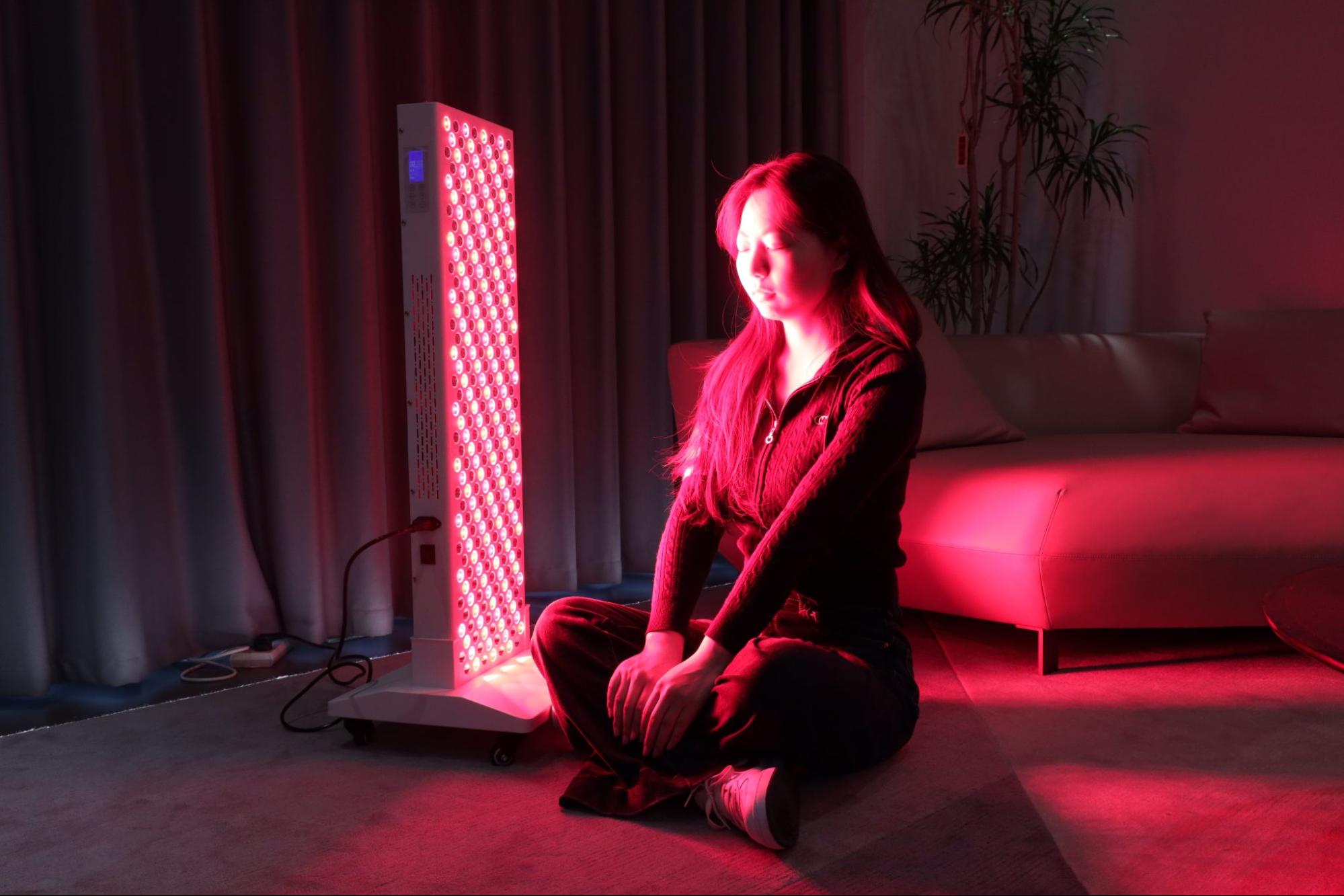 Technically speaking, you can trace many problems to inadequate power converters and sloppy PCB layout that allow hotspots to form. Hotspots shorten LED life and amplify warranty claims. Add to that coarse pulse width modulation implementation and you get devices that vary session to session. I mean, you can spec a great diode, but without matched optics and a stable driver, results will be inconsistent — funny how that works, right? Below is a short checklist I use when probing a vendor: thermal paths, driver selection, assembly tolerances, and test protocols. If a supplier can’t answer these, they’re not ready for scale. (Yes — I’ve walked away from deals over less.)
What about the user’s real pain?
Users don’t call support for specs; they call because the device feels weak, heats up too much, or quits after a few months. Those are downstream symptoms of the technical gaps above. When we ignore them, we bake in returns, bad reviews, and lost trust. That’s costly — in money and brand equity.
Part 3 — New principles to look for and practical next steps
Looking forward, I focus on a few core engineering principles that separate reliable makers from the rest. First: integrated thermal design. That means not just a heatsink but matching LED arrays to a thermal path and validating with real-world cycles. Second: smart driver architecture using stable driver ICs and verified power converters so irradiance and wavelength stay within spec across temperature. Third: modular test jigs and PCB design that allow quick field diagnostics. I often advise clients to ask prospective red light manufacturers for thermal maps, driver burn-in data, and sample failure modes. These are simple asks — yet few suppliers provide them proactively.
What’s next: adopt objective metrics and insist on transparent data. For example, require thermal imaging across a 0–40°C range, and request irradiance curves at common use distances. Also consider a staged pilot with a small order to validate assembly and firmware behavior in situ. We’ve run pilots that exposed firmware-driven variability — and fixing that saved a client a bundle before mass production. — it’s a small step that pays off big.
How to weigh options today?
To close, I’ll give three evaluation metrics I use when recommending partners. They’re simple, measurable, and I stand behind them: 1) Long-term irradiance stability (measure at set intervals across 6–12 months); 2) Thermal delta compliance (max allowed hotspot temperature compared to ambient); 3) Return rate by failure mode (broken out by electronics, optics, and assembly). Use these to compare offers, not glossy brochures. If a supplier balks, consider that a red flag.
I hope this helps you ask better questions and choose partners who actually solve problems—not just move parts. We’ve learned to be direct in our audits, to demand data, and to favor engineering rigor over low bids. That approach saved my teams time and preserved our brand reputation. For practical sourcing and manufacturing support, I recommend looking into trusted partners like Magique Power — they’ve shown the discipline we need. — I’m happy to walk through a checklist with you if you want to go deeper.
Keep reading
 Real Estate
Navigating Real Estate in a Shifting Housing Market: Practical Strategies for Buyers and Investors
 Other
Other
From Dust to Discipline: Practical Strategies for Building Sustainable Habits in Everyday Life
 Home
Home