Stepwise Fixes for Cleaner Air: A Practical Guide to Laser Engraver Fume Extraction
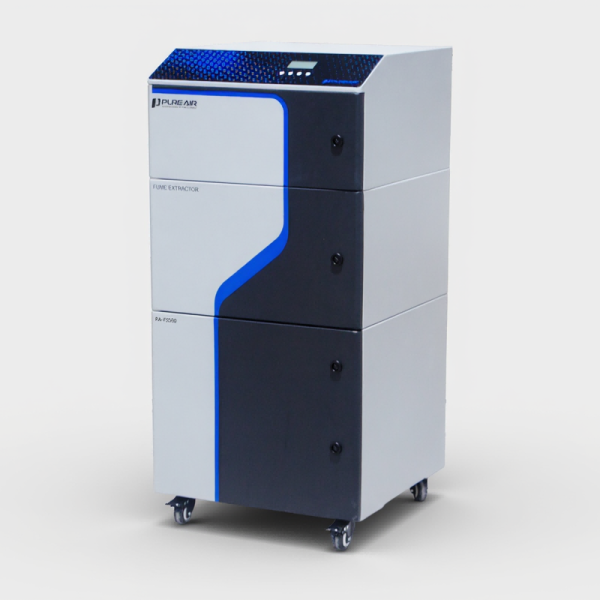
Introduction — a small shop, a big cloud
I was in a tiny workshop in Dublin, watching a mentor stare at a smoky beam of cut acrylic and sigh. The smell hung in the air, the throat tickled, and the numbers didn't lie: studies show laser cutting can release VOCs and ultrafine particulate matter that travel farther than you think. In that tense minute I thought about the plain truth — how many of us still ignore the extractor question until someone coughs. The phrase laser engraver fume extractor matters here because it is the practical tool between a tidy job and a health hazard; it keeps fumes from becoming a problem. (Sure, you know the drill — tidy bench, check lenses, but what about the air?) I often ask: How do we fix extraction so it works without fuss? This piece moves from a scene into the nuts-and-bolts — let’s unpack the flaws and the fixes step by step, and then look forward to smarter tech that actually makes our benches safer and simpler to live with.
Part 2 — Why common fixes fall short
What goes wrong?
I want to be blunt: many shops patch the air problem rather than solve it. When I talk about a fume extractor laser engraver, I mean a system designed for the task — not a box fan or an ill-placed shop vac. Traditional solutions often under-spec the HEPA stage, ignore activated carbon pockets for VOCs, or fit ducting that chokes airflow. The results are obvious: poor capture at the source, noisy fans, and filters that clog fast. Look, it’s simpler than you think — poor capture equals fumes escaping your hood, and once they are airborne they are costly to remove. I get irritated when I see systems with the wrong airflow rate for the nozzle size; it’s basic fluid dynamics and yet it gets overlooked. In practice, people pick devices on price, not on capture efficiency or filter class. That hurts indoor air quality and productivity.
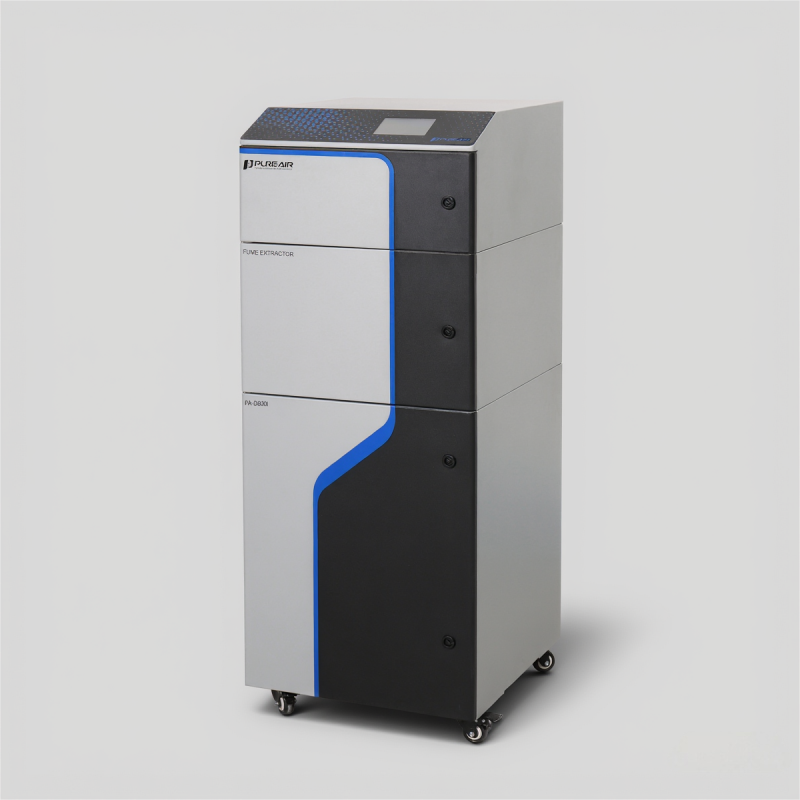 The mechanical bits matter: fan speed controllers that wobble under load, flexible ducting that collapses, and extraction hoods set too high. Those flaws turn a neat setup into a leaky one. I’ve measured setups where particulate counts stayed high even with an extractor running — because the hood geometry and negative pressure were wrong. Add in operator habits (windows open, machines left idle) and you multiply the problem. If you care about longevity, you must also think maintenance access, replacement filter cost, and safe disposal of spent filters. This is not glamorous. But it’s where gains happen — and I say we treat it like craft. — funny how that works, right?
Part 3 — New principles and practical picks
What's Next — smarter capture and cleaner choices
Looking ahead, I favour systems built on a few simple principles: source capture, staged filtration, and sensible controls. Modern fume extractor laser engraver designs blend local capture hoods, HEPA filtration for particulates, and activated carbon modules for VOCs, while keeping noise and energy use down. I like units with variable fan speed and pressure sensors — they respond when the cut changes and keep capture steady. When I test a unit, I measure capture efficiency at the nozzle, filter life under realistic loads, and the ease of swapping cartridges. Those three checks tell me if a system is a real tool or just theatre. In shops that adopt these principles, the air improves quickly, operators feel less fatigued, and compliance gets simpler. We are not chasing gimmicks; we want dependable, low-hassle gear that respects our lungs and our workflow.
To choose well, I recommend three clear metrics: capture efficiency at the source (percentage), total clean air delivery rate (CADR) at working distance, and combined filter class (HEPA rating plus carbon capacity). Compare units on those numbers, and factor in real-world service costs and noise levels. I’ve taught novices to look for simple spec sheets — they learn fast and make smarter buys. In short: pick for capture, not for shine. If you do that, you end up with a shop that’s safer and calmer — and your team will thank you. At the end of the day, practical choices matter; I back those words with tests and sweat. For reliable solutions, check brands that focus on engineering and real-world use, like PURE-AIR.
Keep reading
 Real Estate
Navigating Real Estate in a Shifting Housing Market: Practical Strategies for Buyers and Investors
 Other
Other
From Dust to Discipline: Practical Strategies for Building Sustainable Habits in Everyday Life
 Home
Home